
Celiac disease is a chronic autoimmune disease that damages the small intestine when exposed to gluten, a protein found in wheat, barley, and rye. Celiac disease can lead to serious, long-term health conditions if left untreated.
Celiac disease is hereditary, affecting only genetically predisposed people. Two main genes are related to celiac disease: HLA-DQ2 and HLA-DQ8. Studies show about 96% of those diagnosed possess one or both of these genes. Human leukocyte antigens are an important part of the immune system, and can help decipher good proteins from bad proteins (viruses, bacteria). This function is flawed in celiac disease, as the protein in gluten (gliadin) is wrongly identified by the HLA complex as an infectious agent. Other triggers are not quite yet understood, though some people report symptoms after an unrelated illness, a stressful period of time, or a traumatic event. No, it is not contagious.
"People with a first-degree relative with celiac disease (parent, child, sibling) have a 1 in 10 risk of developing celiac disease. It is estimated to affect 1 in 100 people worldwide, but only about 30% are properly diagnosed." - Celiac Disease Foundation
When exposed to gluten, the celiac body produces an immune response that attacks the small intestine. Finger-like projections called villi line these intestinal walls, increasing surface area needed for nutrient absorption. Damaged villi from these attacks cannot provide proper bodily absorption of nutrients, resulting in a plethora of health problems.
Gastrointestinal symptoms are most prevalent in celiac disease. This may include diarrhea, constipation, bloating, fat in stool, indigestion, gas, nausea, belching, stomach pain, flatulence, and cramping. Other physical symptoms may include fatigue, bone loss, osteoporosis, malnutrition, anemia, itching, skin rash, joint pain, infertility, numbness in the hands and feet, and burning in the chest.
While the classic symptoms of celiac are gastrointestinal, many people don't show physical symptoms at all (silent celiac disease). Rather, neurological and psychological symptoms manifest. From migraines to anxiety, the Go Beyond Celiac study reports these. The survey illustrated below presents the neurological and psychological symptoms after the exposure to gluten.
To be diagnosed with celiac disease, a few tests can be done. There are two blood tests available: serology testing and genetic testing. A serology test analyzes the blood for antibodies. An elevated amount of antibody proteins can indicate an immune response to the presence of gluten. A genetic test analyzes the blood for the two genes HLA-DQ2 and HLA-DQ8 (explained above). The most accurate testing done is a biopsy, also known as an endoscopy. Samples of the intestinal wall are taken from a small tube called an endoscope. The tissue samples are analyzed for the damage of villi or the inflammation of the small intestines.
Wheat, barley, and rye are common in many foods like bread, pasta, cereal, baked goods, and pastries. Naturally gluten-free foods such as fruit, vegetables, meat, fish, poultry, rice, potatoes, and legumes are usually safe. Unfortunately, gluten is hidden in many places you may not know about... Here are a few. Always be sure to read ingredient labels!





Baking with celiac disease can be pretty easy – all you need is a gluten-free flour alternative! My personal favorites are Bob's Red Mill 1 to 1 Baking Flour and King Arthur Measure for Measure Flour. In this recipe, I'll be using Bob's Red Mill to bake gluten-free chocolate chip muffins. Enjoy!

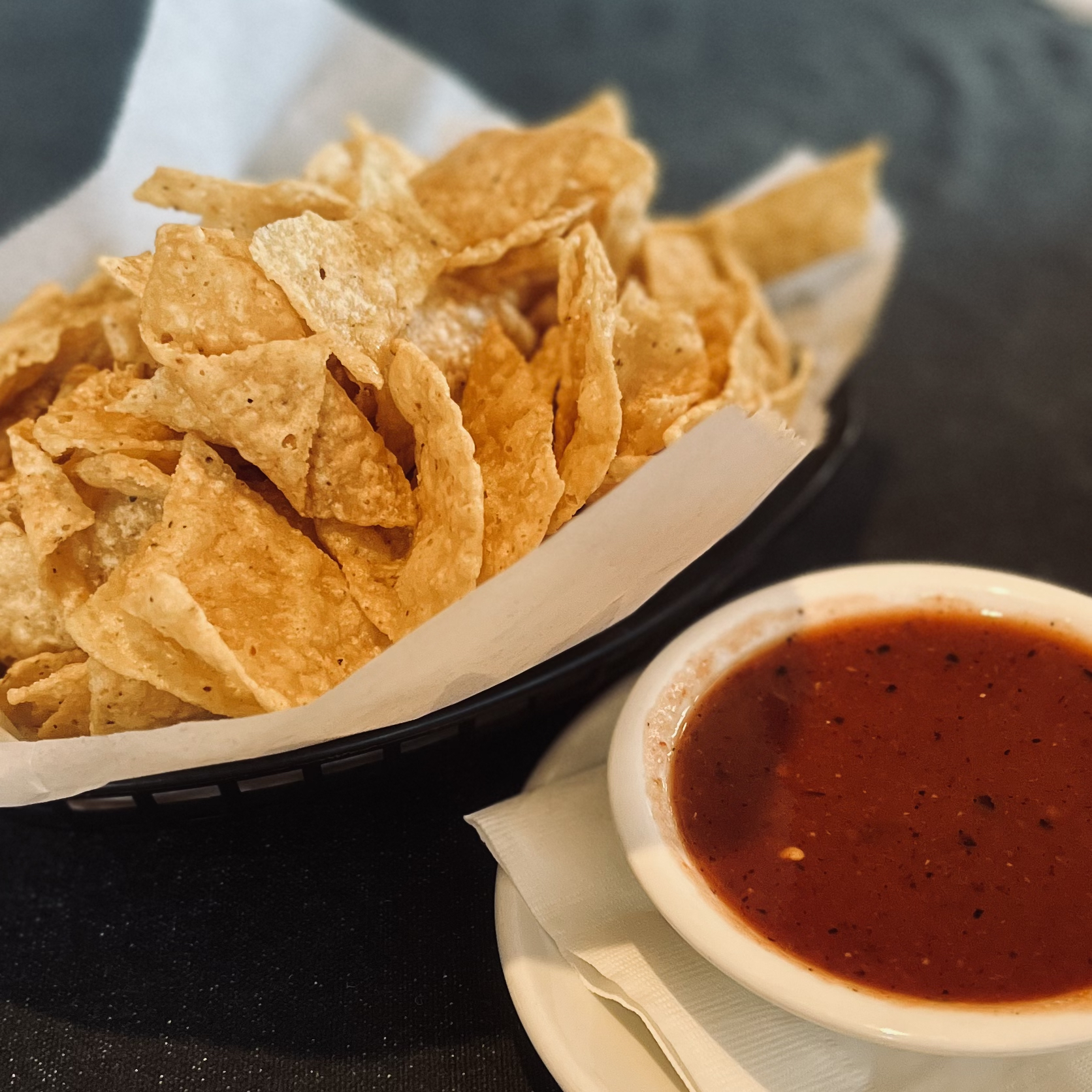

Like many Mexican restaurants, Vivo serves chips and salsa at no fee, yay! They didn't have a designated fryer, but luckily, they import their tortilla chips from an outside vendor. The salsa as well – both were delicious! The waitress made sure the straw was safe in my margarita. With the rise in popularity of biodegradable straws, some that are plant based or made with paper contain gluten. As all distilled alcohol, the tequila as well as the mix was gluten-free.
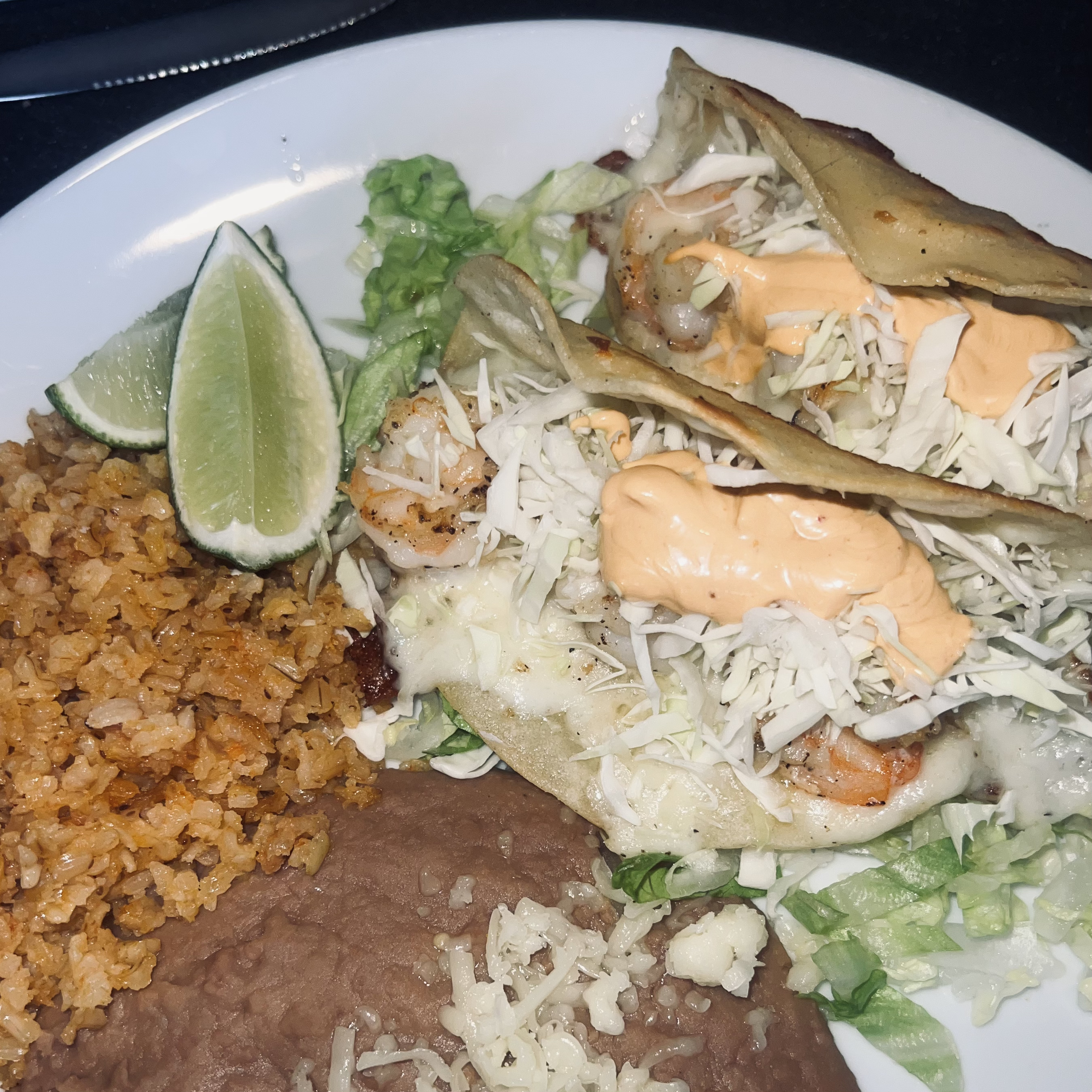
For my main course I ordered the shrimp taco plate. Stated on the menu as gluten-free, the description said "two lightly griddled corn tortillas stuffed with spiced sautéed shrimp, Monterey jack cheese, shredded cabbage, and chipotle cream, served with whole grain brown rice and beans." Although corn tortillas are naturally gluten-free, I still made sure to ask about cross-contamination with the flour ones. I would order this meal over and over again if I could!
Overall, Vivo was very accommodating to my gluten-free needs, which I really appreciate! I will definitely be returning, as well as the rest of my family who loved it too.